Adapted for Hot & Cold
Deserts are renowned for their heat and none more so than those of the U.S. Southwest, where the hottest air temperature ever was recorded, 134 degrees, in California’s Death Valley. In such punishing heat, few plants persist – the desert holly (Atriplex hymenelytra) is a remarkable exception in Death Valley. Of course, without any cloud cover, deserts are often very cold at night as any heat radiates out into the sky. These extremes of temperature, together with minimal precipitation ensure that few native plants endure. But our Southwestern states are rippled with mountains and at higher elevations, plants can thrive in more moderate temperatures. Plus, mountains can attract rainfall as clouds move up and over, chilling and condensing.
Mountains surrounded by desert often shelter unique plants. In effect, they act like islands where new species evolve isolated from their relations beyond the desert. Known as ‘Sky Islands’, they are a common landscape feature in Arizona and New Mexico, providing a home for species that would otherwise not exist in the heat of the desert. Engelmann spruce (Picea engelmannii) and subalpine fire (Abies lasiocarpa) are both common in Washington State, but in Arizona only occur on top of a handful of mountains. Some sky island plants occur nowhere else in the world, including Coleman’s coralroot orchid (Bletia colemanii) in Arizona and shaggy-haired alumroot (Heuchera hirsutissima), in California.
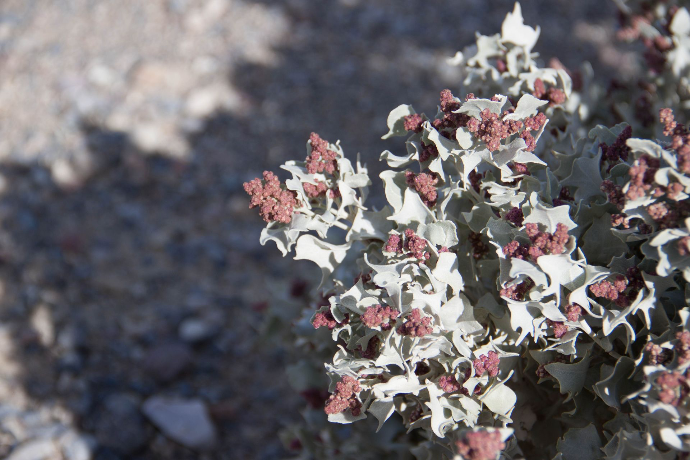
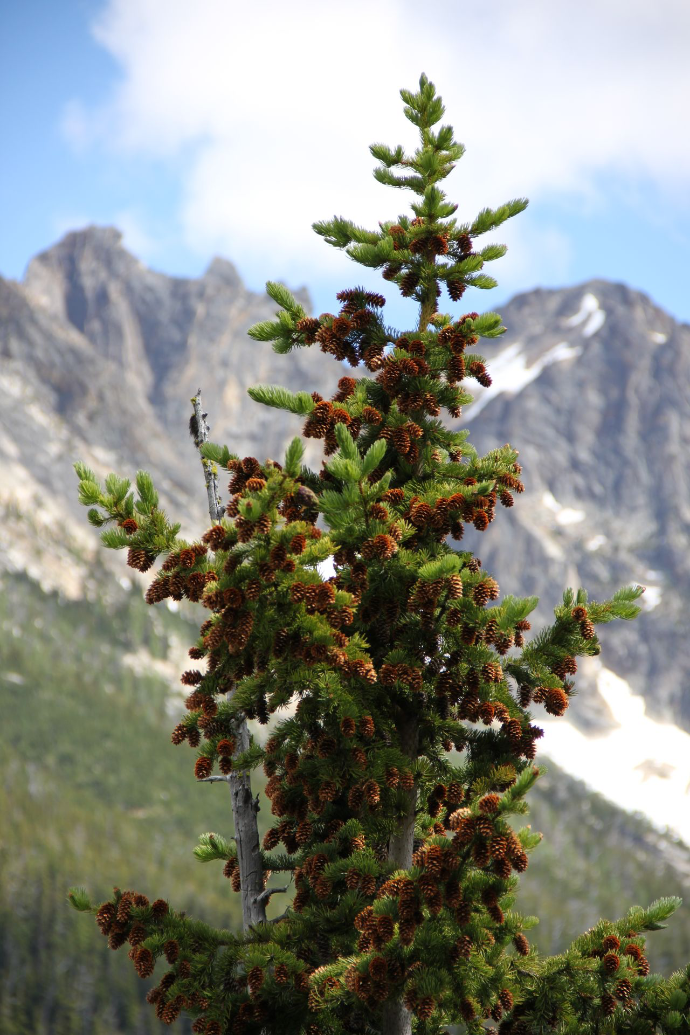
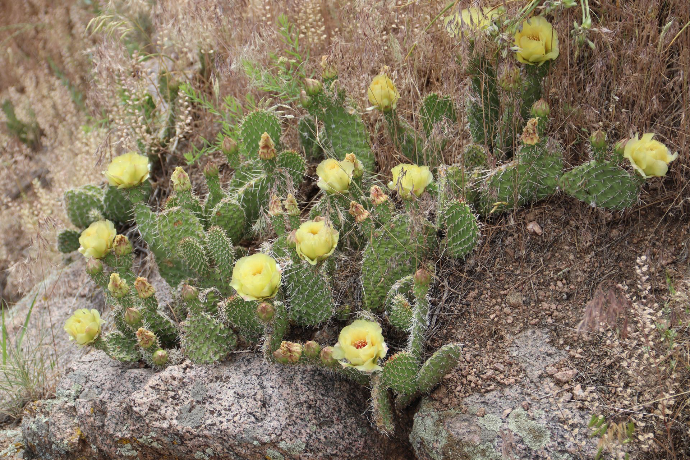
Left to right: Desert holly, Picea engelmannii, Opuntia polyacantha.
Here in Washington State, our climate includes both high and low temperatures, but usually in different seasons. We are also famously wet, at least in winter, and not all Southwestern natives thrive. Winter is their greatest challenge, when a combination of cold temperatures and moist soils can cause plants to rot, especially succulents and those with woolly or hairy leaves. To counter this problem, the soil in our mounds is free draining, composed of sand and grit with almost no organic matter, which can hold on to water. Steep sides encourage drainage, and a gravel top-dressing prevents pooling around the plants’ crowns. In future, we may construct a temporary roof over this area, to keep the plants dry over winter.