Klamath Mountains Ecoregion
With 36 different species of conifers (depending on how you delimit the area), the forests of the Klamath Mountains ecoregion are some of the richest coniferous forests in the world. They include forest giants such as coast redwood (Sequoia sempervirens) and sugar pine (Pinus lambertiana), plus two unique endemic species, Brewer’s spruce (Picea breweriana) and Port Orford cedar (Chamaecyparis lawsoniana), both found nowhere else. The richness of the conifer flora is explained at least in part by the area’s status as a glacial refuge. During recent ice ages, this area remained free of ice, allowing tree species to survive there and not in the surrounding landscape. The spruce and the cedar are examples of paleoendemics.
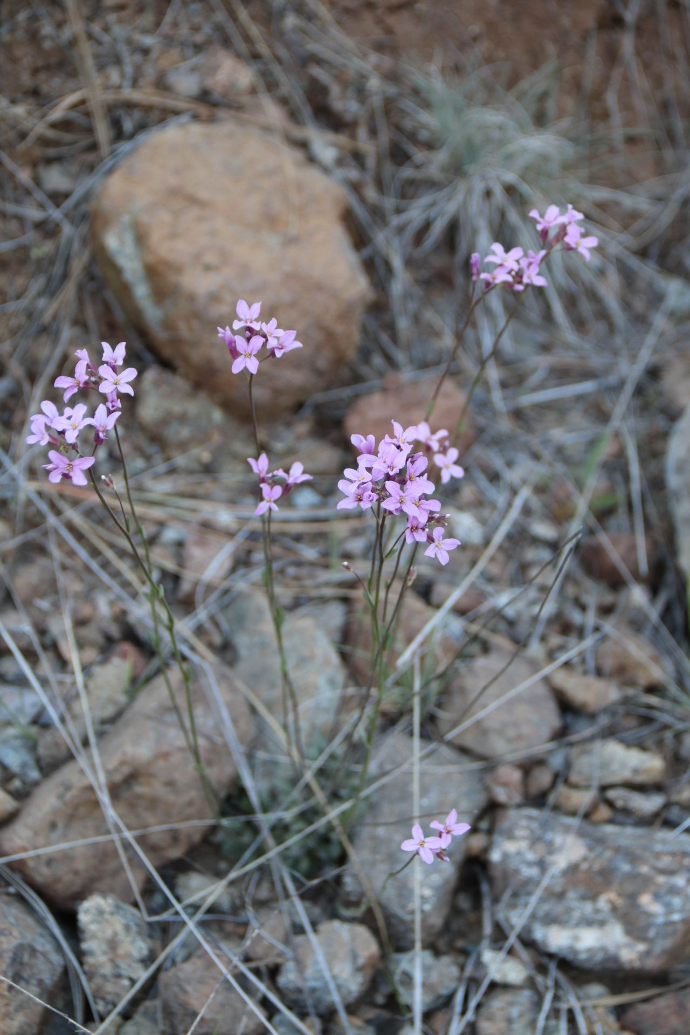
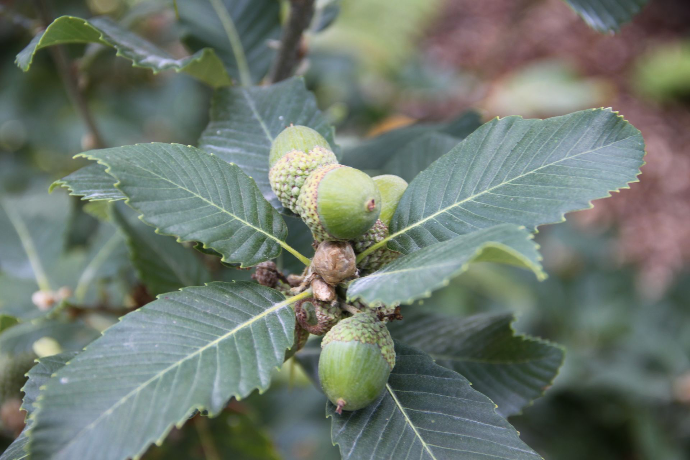
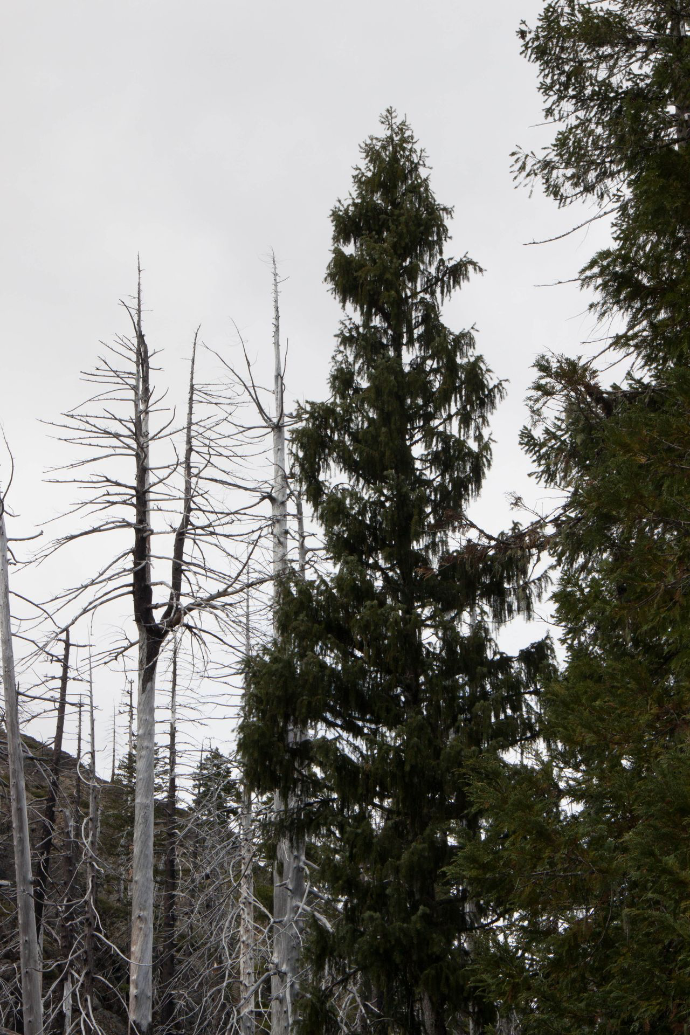

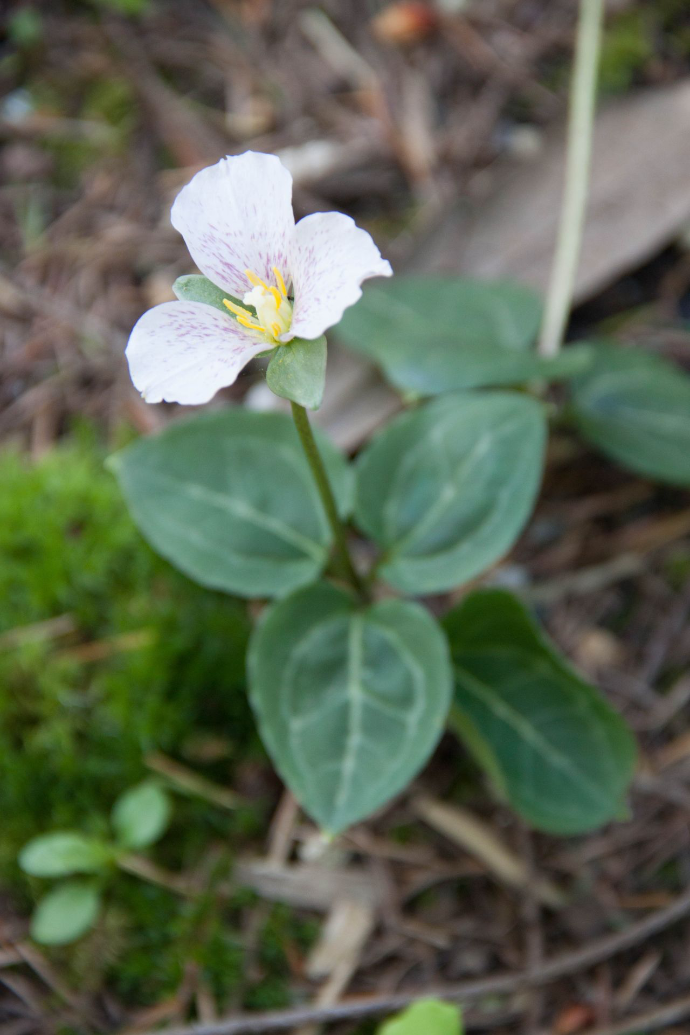

Photos top row: Arabis aculeolata, Picea breweriana, Pseudotrillium rivale. Bottom row: Quercus sadleriana, Sequoia sempervirens.
An endemic species is one restricted to a certain geographic area and the Klamath Mountains are rich in endemics. Some are paleoendemics, plants that once were widespread, but are now restricted to a small region. Together with the above conifers, other Klamath paleoendemics include Sadler oak (Quercus sadleriana) and Marshall’s gooseberry (Ribes marshallii). Neoendemics on the other hand evolved recently in this area in response to some unique ecological factor(s), in the Klamaths often serpentine soils. Many parts of the ecoregion have exposed serpentine rock, which creates soils low in essential nutrients such as nitrogen and calcium, and rich in toxic heavy metals such as nickel and chromium. Neoendemics have arisen that can tolerate such soils and examples include Oregon bleeding-heart (Dicentra formosa ssp. oregana), brook trillium (Pseudotrillium rivale), and Waldo rockcress (Arabis aculeolata).
Endemism, whether new or old, is only one of the factors causing species richness in the Klamath Mountains. The ecoregion forms the boundary between climatic zones, and several species are at the edge of their natural distributions in these mountains. Alaska yellow cedar (Callitropsis nootkatensis) and subalpine fir (Abies lasiocarpa) both reach their southernmost limit in the ecoregion, while California buckeye (Aesculus californica) and Modoc cypress (Hesperocyparis bakeri) are at their northernmost in southwest Oregon. The westernmost populations of western juniper (Juniperus occidentalis) and curl-leaf mountain mahogany (Cercocarpus ledifolius) are also here. The borderlands between California and Oregon contain many special and unique plants well worth growing in Pacific Northwest gardens.