Sculpting Hedges
Garden barriers have many purposes; they provide privacy, reduce noise, and give security. Hedges can offer all these things, but as living barriers, they change in appearance throughout the year whilst also creating homes for wildlife. Of course, they do require maintenance – regular trimming to shape, plus watering and feeding – and you do need patience as they can take several years to reach full size. Many trees and shrubs can be grown into hedges, but all must tolerate regular trimming.
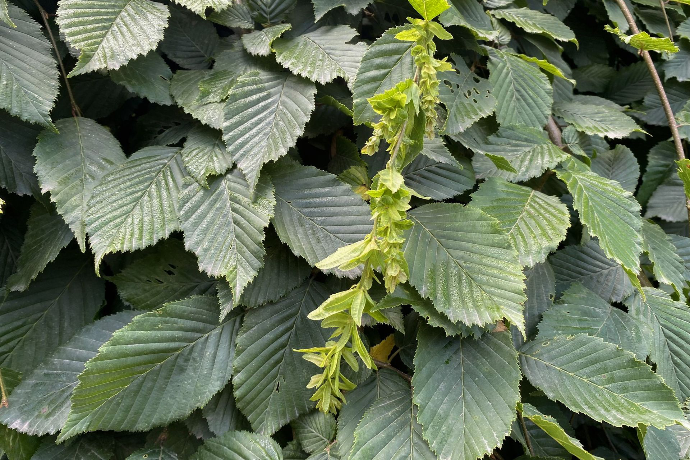
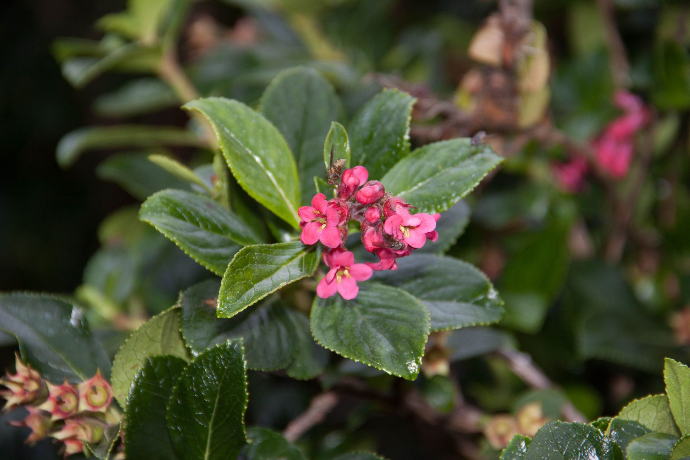
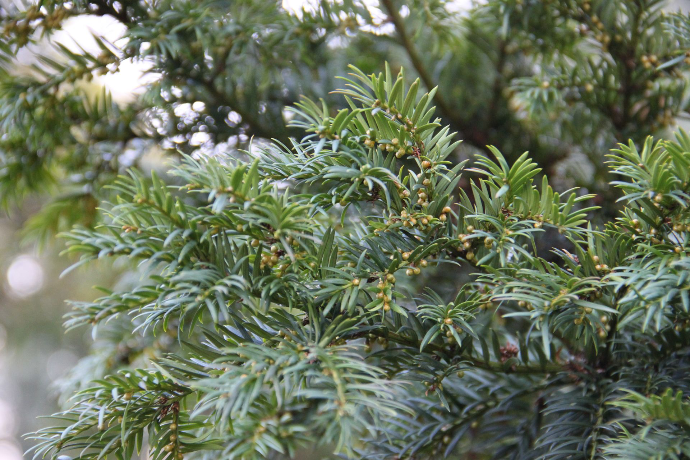
Photos 1 -3: Carpinus betulus, Escallonia rubra, Taxus baccata.
When choosing a hedge, the first decision is whether to pick an evergreen or deciduous species. If privacy is your primary motivation, then choose an evergreen for year-round cover. However, evergreen hedges can be dark and oppressive in the winter, so pick a deciduous hedge if you use your outdoor space in winter and privacy is not a concern. Next off, check the plant’s growth rate as some hedges grow much faster than others. Slow-growing hedges such as boxwood and yew require less maintenance and can be kept small. Fast-growing hedges such as laurel and cypress fill the gap quickly but will need regular trimming to keep them within bounds.
There are many great hedging choices, including some with flowers and ornamental berries. Here are a few options: hornbeam (Carpinus betulus) is a moderately fast hedge with deciduous leaves, which have neat veining giving a tidy look; for an evergreen, try Escallonia rubra, with red to pink tubular flowers and small evergreen leaves that trims neatly; for privacy, English yew (Taxus baccata) is hard to beat and though slow to establish, doesn’t need as much trimming once mature compared with other coniferous hedges.