Vietnam’s Threatened Plants
Heronswood has been collecting in Vietnam since 1999 and we have over 175 collections from the country growing in the garden, mostly here in the Traveler’s Garden. The mountains of northern Vietnam are a global hot spot for plant diversity and new species are still being found. For example, Loropetalum flavum, the first yellow-flowered species of this witch-hazel relative was described in 2018, while Magnolia quangninhensis was described in 2020, and Rhododendron tephropeploides in 2021. Collecting hardy garden plants in Vietnam always brings the possibility that you’ll find a new species and we cultivate several plants of uncertain affinity, which may prove novel in future years.
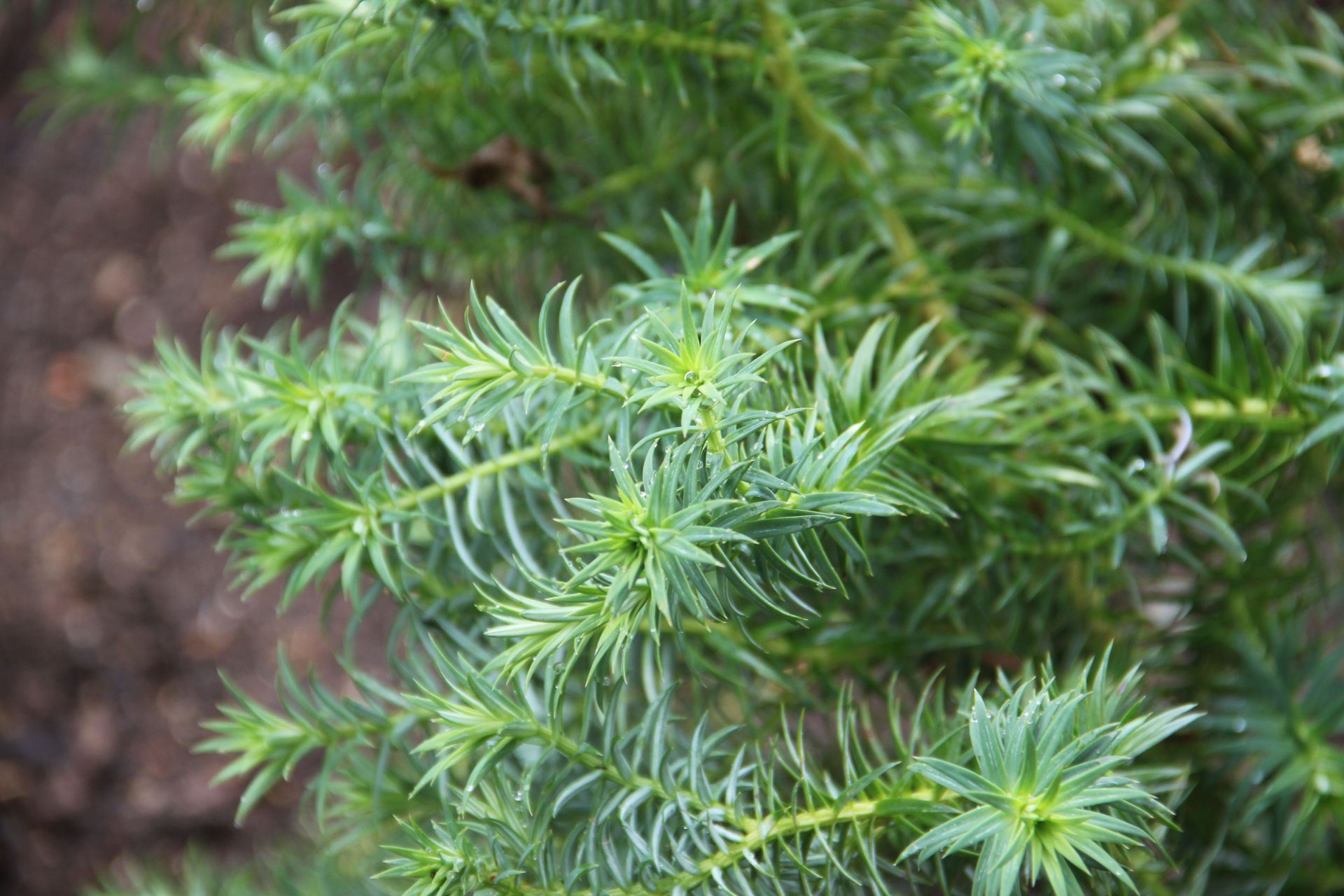
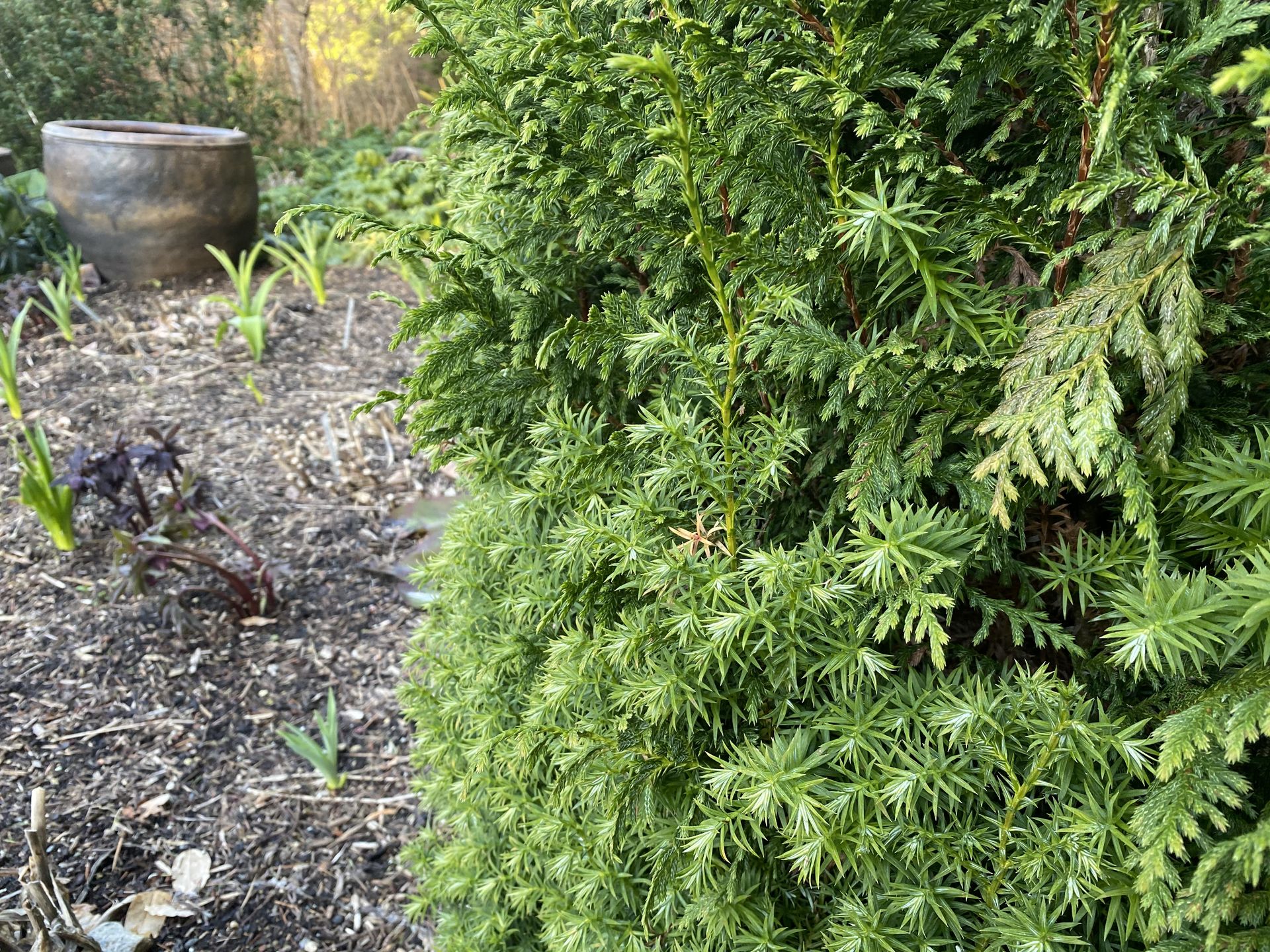
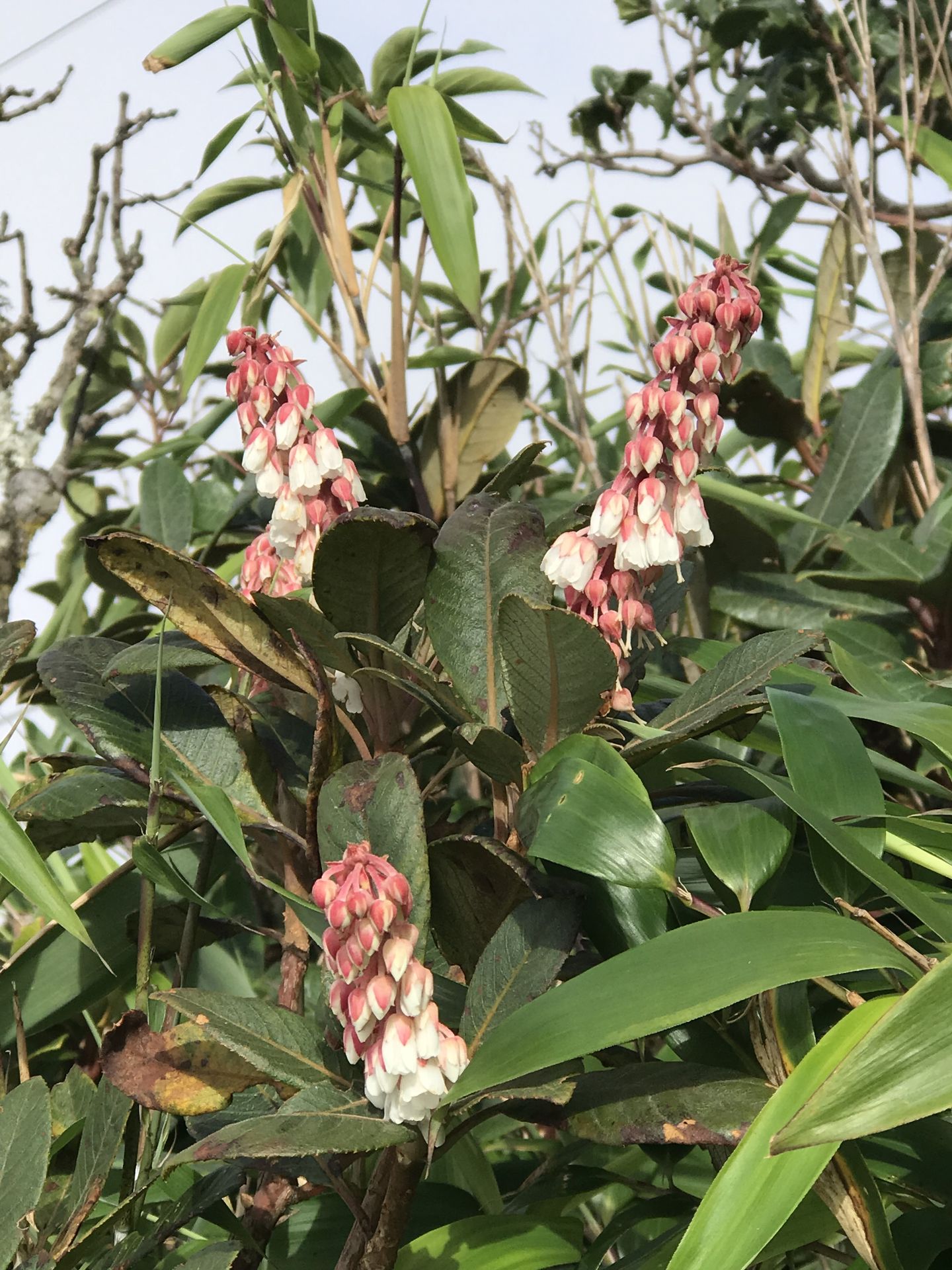
Photos left to right: Xanthocyparis vietnamensis (2), Clethra petelotii.
Plant collection is not just about new species. Growing plants helps us better understand already known species, too. The Vietnamese golden cypress (Xanthocyparis vietnamensis) was first collected by botanists in 1999 and proved to be not only a new species, but a new genus. In the wild, it is known only from a few locations in subtropical forest on limestone ridges. It was not clear whether this species would be suitable for cultivation in temperate areas, nor the size and scale of a mature plant. Wild plants are often stunted, due to damage by browsing goats, but also potentially as a result of the poor, thin soils they grow on. Our first material was collected in 2006, and a specimen planted opposite Heron House in 2018. Having survived several cold winters, its hardiness has been established, and it has now reached 6’ in height, retaining a tight, conical form quite unlike its wild relations.
Of course, the primary reason for growing Vietnamese plants is to protect those that are endangered. Over 300 Vietnamese plant species are listed as Endangered or Critically Endangered by the IUCN and we grow several of those here, such as the golden cypress and Petelot’s pepper bush (Clethra petelotii). Even those species not currently listed as endangered may be threatened in future as climate change and habitat destruction continue. By holding a living collection of such plants here, we have an insurance policy against existing and future threats.